
Choosing the right IT provider is one of the most important business decisions you’ll make. Technology impacts nearly every aspect of your operations, from productivity and security to customer service and business continuity. The wrong IT partner can lead to frequent downtime, security vulnerabilities, and unexpected costs, while the right provider can help your business grow and stay competitive.
Before signing a contract, ask these ten essential questions to ensure you’re selecting an IT provider that meets your organization’s needs.
1. What Services Are Included in Your Support Plan?
Not all IT service agreements are created equal. Some providers offer comprehensive managed services, while others only address issues as they arise.

Ask for a detailed breakdown of what’s included, such as:
- Help desk support
- Network monitoring
- Cybersecurity services
- Backup and disaster recovery
- Cloud management
- Strategic IT planning
Understanding exactly what you’re paying for can help prevent unexpected charges later.
2. How Quickly Do You Respond to Support Requests?

When technology problems occur, response time matters.
Ask potential providers:
- What is your average response time?
- Do you offer Service Level Agreements (SLAs)?
- Is support available after hours?
- How are emergencies handled?
A provider should be able to clearly explain how they prioritize and resolve support requests.
3. What Cybersecurity Measures Do You Provide?
Cyber threats continue to evolve, making security a top priority for businesses of all sizes.

Look for providers that offer:
- Multi-factor authentication
- Endpoint protection
- Email security
- Security awareness training
- Vulnerability assessments
- Continuous monitoring
A proactive approach to cybersecurity is far more effective than reacting after an attack occurs.
4. Do You Have Experience Supporting Businesses Like Mine?

Industry experience matters. Every business sector has unique technology requirements, compliance standards, and operational challenges.
Ask whether the provider has worked with organizations similar to yours and request relevant examples or case studies.
An experienced provider can deliver solutions tailored to your specific industry needs.
5. How Do You Handle Data Backup and Disaster Recovery?
Data loss can be devastating. Whether caused by hardware failure, human error, ransomware, or natural disasters, businesses need a recovery plan.

Important questions include:
- How often are backups performed?
- Where is backup data stored?
- How long does recovery typically take?
- How often are recovery procedures tested?
A reliable disaster recovery strategy ensures your business can recover quickly when unexpected events occur.
6. Will My Business Work With Dedicated Technicians?
 Consistency is valuable when it comes to IT support.
Some providers assign dedicated account managers or technical teams, while others route tickets to whoever is available.
Having technicians who understand your environment can lead to faster issue resolution and a better overall experience.
7. How Do You Approach Strategic Technology Planning?
Technology should support long-term business goals—not just fix short-term problems.

Ask if the provider offers:
- IT roadmaps
- Budget planning
- Technology assessments
- Infrastructure reviews
- Growth planning
A strategic IT partner helps identify opportunities to improve efficiency, reduce costs, and prepare for future growth.
8. What Are Your Pricing and Contract Terms?
Pricing transparency is essential.
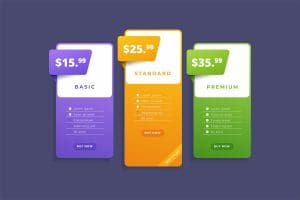 Questions to ask include:
- Is pricing fixed or variable?
- Are there additional fees for projects?
- What services are billed separately?
- Are long-term contracts required?
- What is the cancellation policy?
A trustworthy provider will clearly explain all costs before any agreement is signed.
9. How Do You Support Cloud and Remote Work Environments?
Modern businesses rely heavily on cloud applications and remote work capabilities.
 Ensure the provider can support technologies such as:
- Microsoft 365
- Microsoft Teams
- SharePoint
- Virtual private networks (VPNs)
- Cloud backups
- Identity management solutions
Strong cloud expertise helps keep employees productive regardless of their location.
10. Can You Provide Client References or Success Stories?
A provider’s reputation is often reflected in client feedback.
 Ask for:
- Client references
- Testimonials
- Case studies
- Online reviews
Speaking with existing clients can provide valuable insight into the provider’s responsiveness, professionalism, and overall performance.
Final Thoughts
 Selecting the right IT provider isn’t simply about finding technical support. It’s about choosing a strategic partner who understands your business, protects your data, and helps you leverage technology to achieve your goals.
By asking these ten questions, you’ll be better equipped to evaluate potential providers and make a confident decision. A reliable IT partner should offer more than problem-solving. They should provide proactive guidance, strong security practices, transparent communication, and a commitment to your long-term success.
Looking for an IT partner you can trust? Contact our team today to schedule a consultation and discover how managed IT services can help your business operate more efficiently, securely, and strategically.
Share this Post